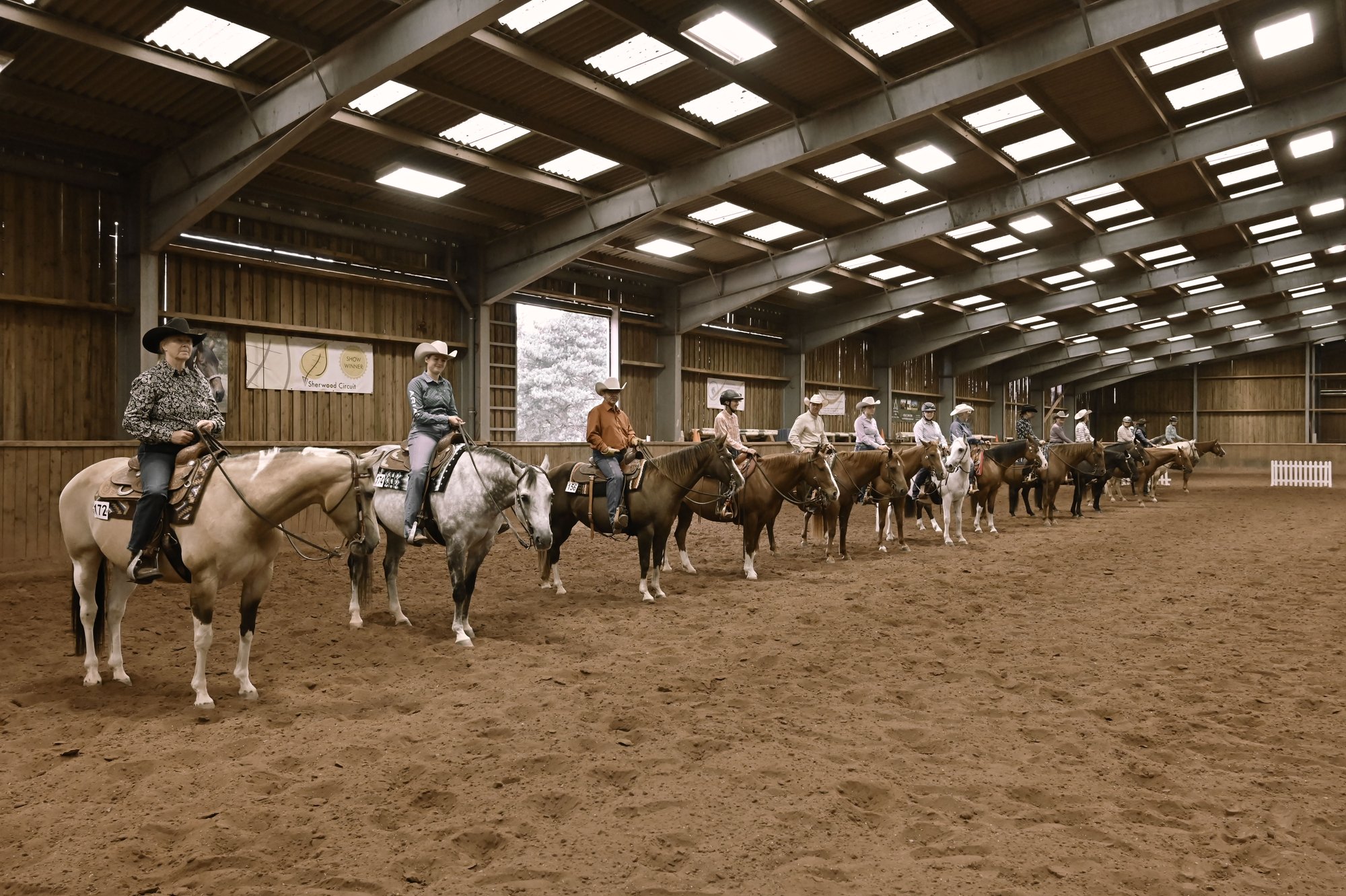
Western Show Classes
There are many classes to watch or enter, and it is not always easy for a newcomer to know what each one is looking for. Here is a short introduction to each. The WES rule book is the full reference for every class.
Six classes to know
The classes you will see at most WES shows. Every class is described in full below.
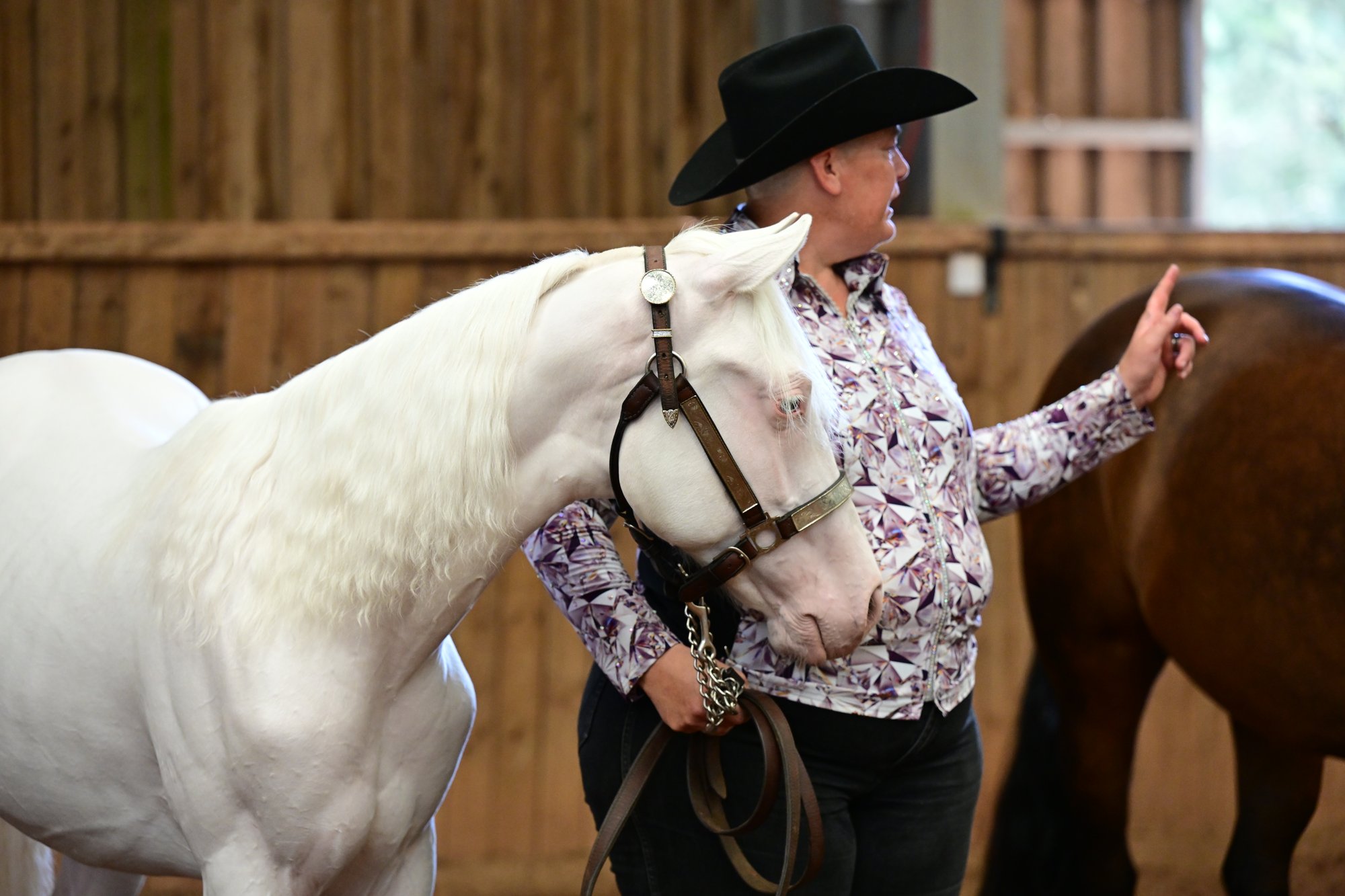
Showmanship
Only the showman is judged, carrying out the judge's manoeuvres on foot with precision, poise and confidence; the horse is simply a prop.
Photo: Alison James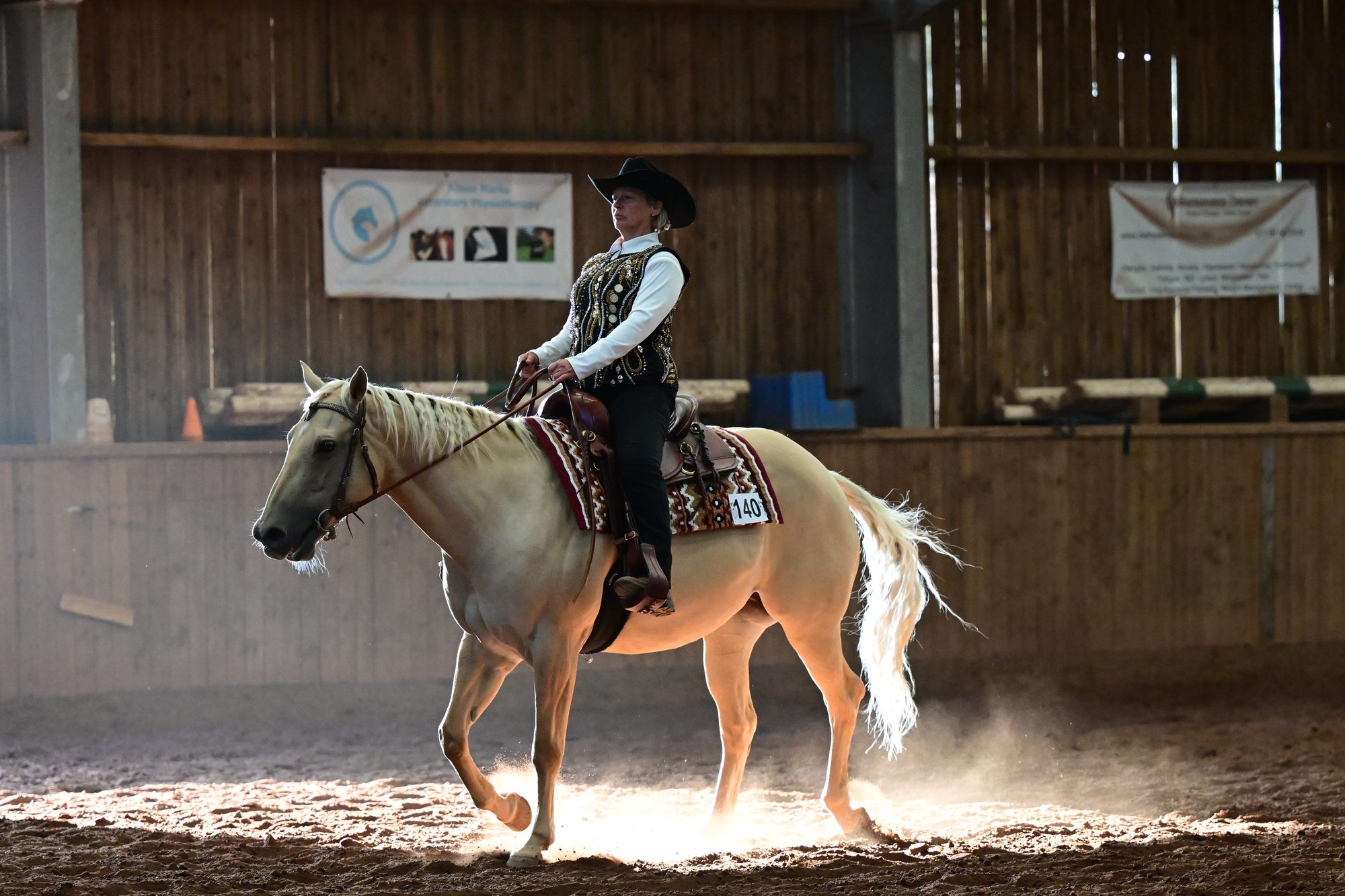
Horsemanship
The rider is judged on carrying out the judge's pattern together with the horse, smoothly and precisely, in a balanced, correct position.
Photo: Alison James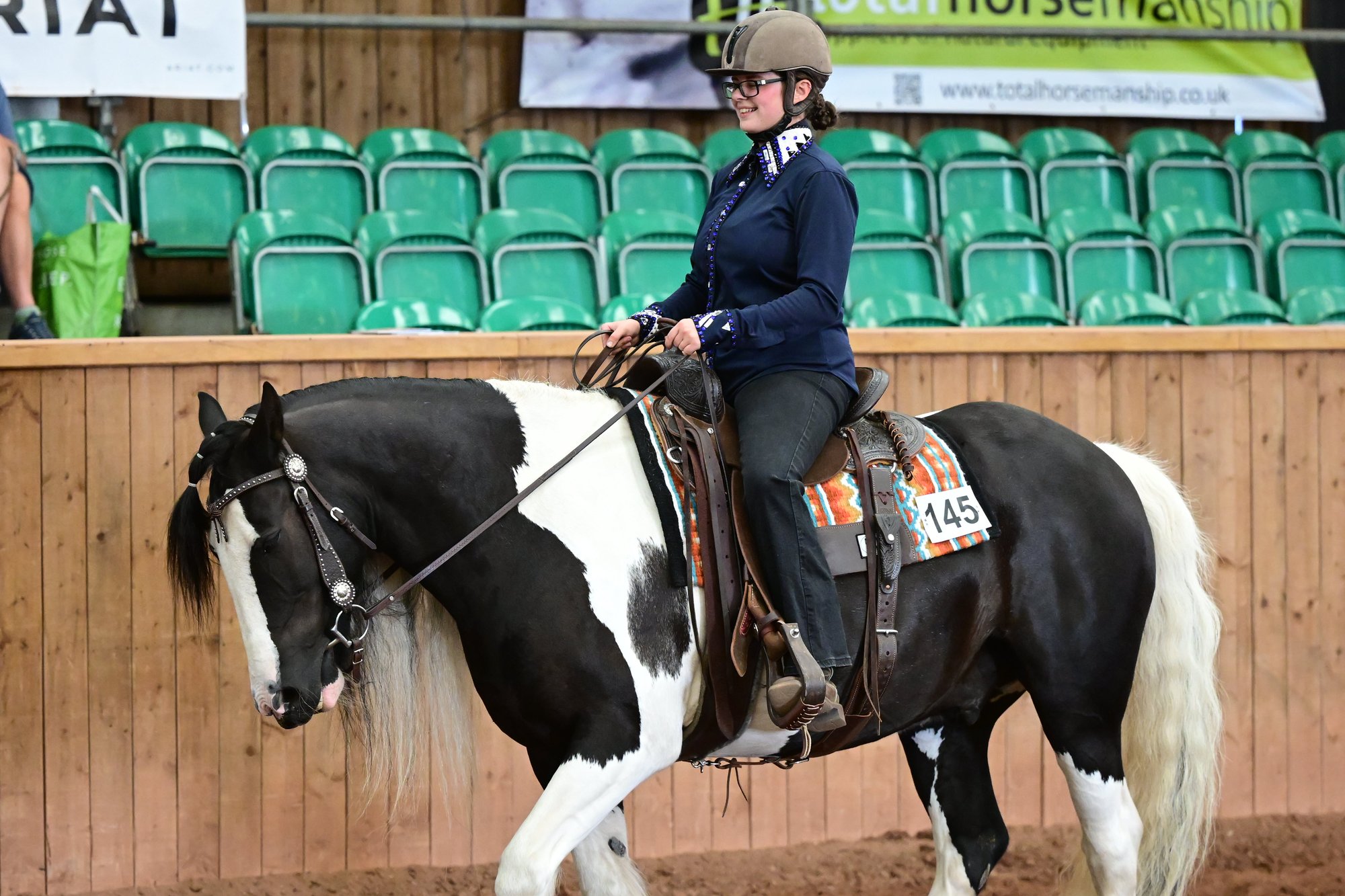
Pleasure
The flowing, balanced, willing horse on a reasonably loose rein that looks fit and a pleasure to ride.
Photo: Alison James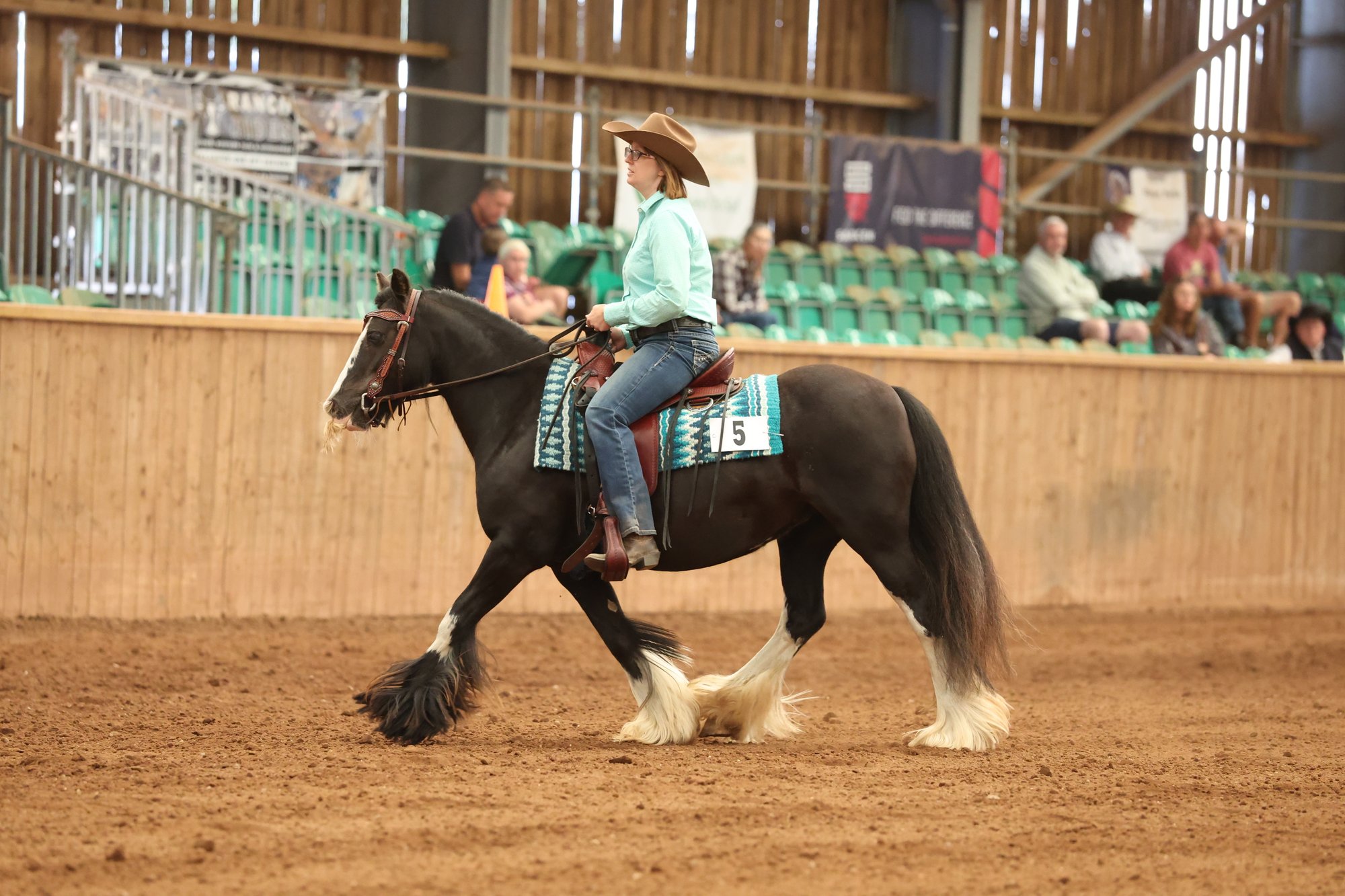
Ranch Riding
The versatility, attitude and movement of a working ranch horse, carrying its rider from one ranch task to the next.
Photo: Fae Loudoun Photography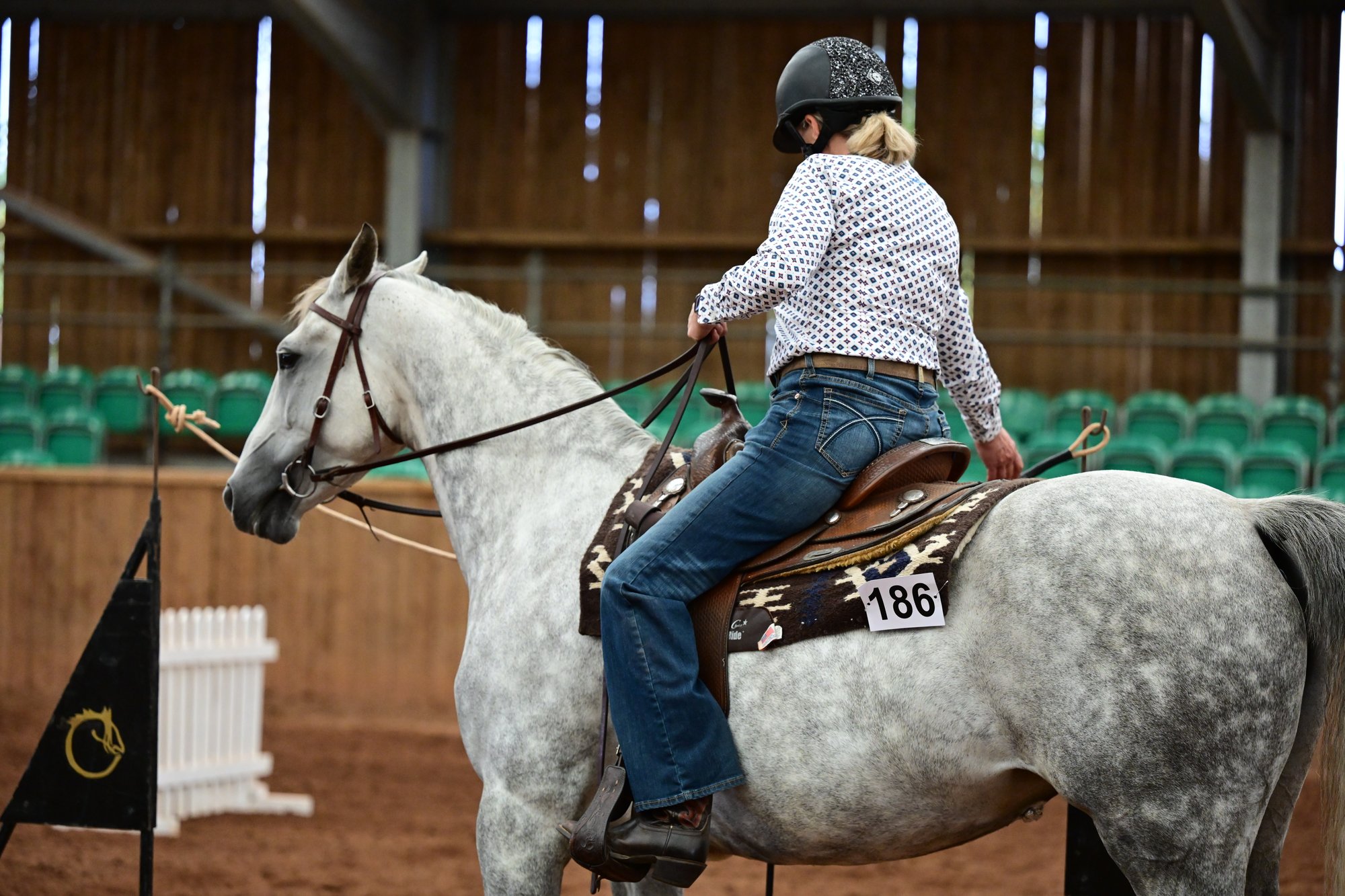
Trail
A course of at least 6 common obstacles, judged on manners, response to the rider and quality of movement.
Photo: Alison James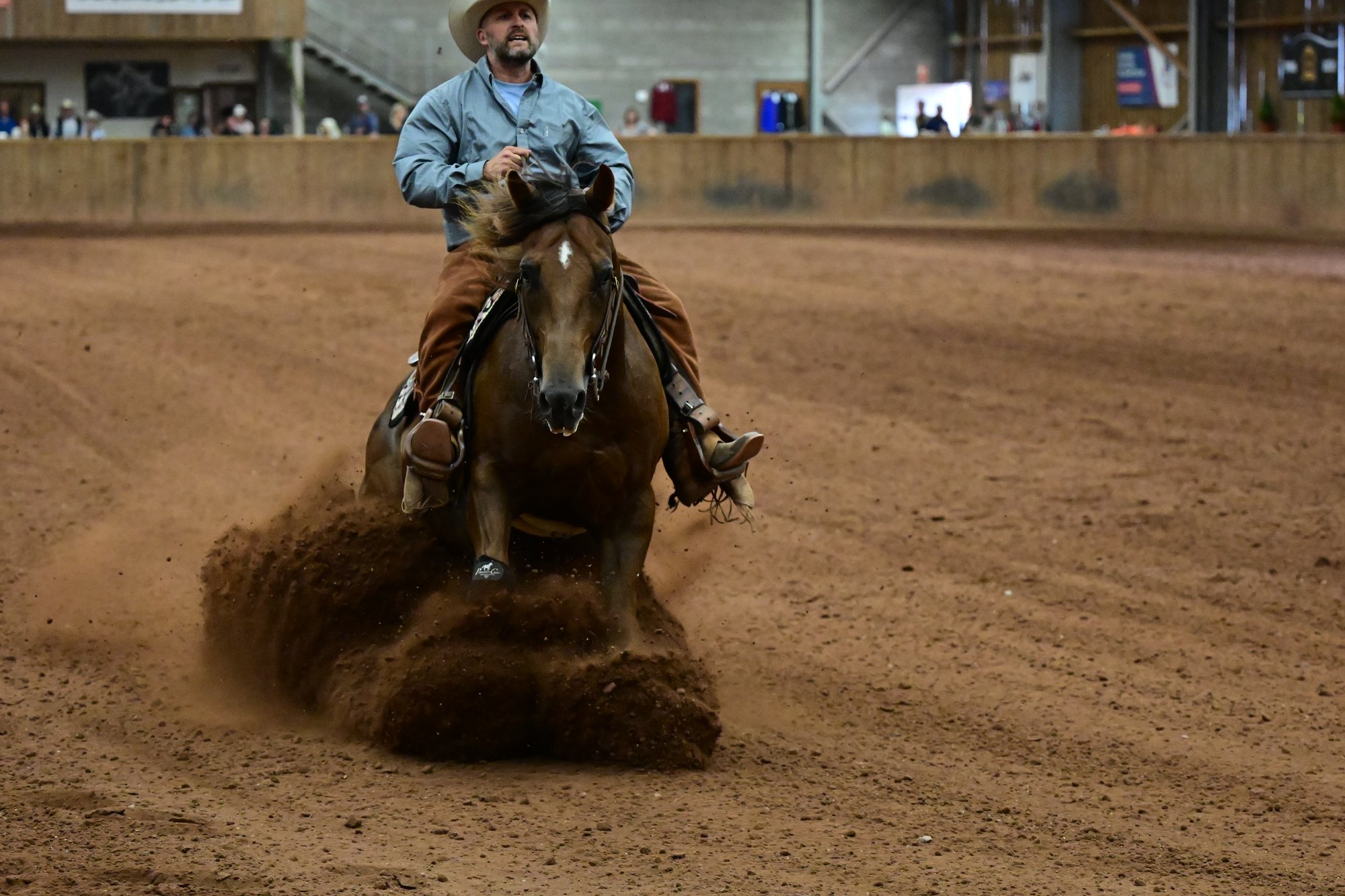
Reining
Every movement under the rider's control, with smoothness, finesse, attitude and controlled speed.
Photo: Alison James
Showmanship
Showmanship judges the exhibitor's ability to carry out a set of manoeuvres set by the judge, with precision and smoothness, showing poise and confidence, and keeping a balanced, functional and correct body position. Only the showman is judged; the horse is simply a prop.
Horsemanship
Western Horsemanship judges the rider's ability to carry out, together with the horse, a set of manoeuvres set by the judge, with precision and smoothness, showing poise and confidence, and keeping a balanced, functional and fundamentally correct body position.
The ideal pattern is extremely precise, with horse and rider working in complete unison and each manoeuvre done with subtle aids and cues. The horse carries its head and neck in a relaxed, natural position: not behind the vertical, which looks like intimidation, and not pushed too far out, which looks like resistance.
Freestyle Horsemanship
Freestyle Horsemanship is a chance to use horsemanship skills creatively, set to music through choreography. Riders are encouraged to choose music that shows the horse's athletic ability in a way that appeals to a crowd.
Pleasure
A good pleasure horse has a flowing stride of reasonable length for its build, and covers a fair amount of ground with little effort. It should move in a balanced, flowing way, carrying its head and neck relaxed and natural: not behind the vertical, which looks like intimidation, and not pushed too far out, which looks like resistance. The head should be level, the nose just in front of the vertical, with a bright expression and alert ears.
The horse is shown on a reasonably loose rein, with light contact and control. It should be responsive, with smooth transitions when asked. When asked to extend, it should move out with the same flowing motion. The most credit goes to the flowing, balanced, willing horse that looks fit and a pleasure to ride.
Ranch Riding
Ranch Riding measures how much of a pleasure the horse is to ride while it carries its rider from one ranch task to the next. The horse should show the versatility, attitude and movement of a working ranch horse riding outside an arena.
It should be well trained, relaxed, quiet, soft and cadenced at every gait, moving forward and clearly lengthening its stride at the extended gaits. It can be ridden on light contact or a fairly loose rein, without undue restraint, but not on a full drape of rein. The main things judged are the horse's manners, its responsiveness in making timely, smooth and correct transitions, and the quality of its movement. The ideal ranch riding horse looks like a natural ranch horse from head to tail in every manoeuvre.
Trail
Trail is ridden over a course of at least 6 common obstacles. The horse is judged on how it negotiates them, with the emphasis on manners, response to the rider and quality of movement.
Reining
To rein a horse is not only to guide it but to control its every movement. The best reined horse is guided willingly, with little or no visible resistance, and is completely under the rider's direction. Any movement the horse makes on its own counts as a lack of control.
Every departure from the exact written pattern is a lack of control, or a brief loss of it, and is marked down according to how far it strays. After faults are taken off, credit is given for smoothness, finesse, attitude, quickness and authority in the manoeuvres, with controlled speed, which raises the difficulty and makes the horse more exciting to watch.
Freestyle Reining
Reining manoeuvres began as the moves a cow horse needs for its work, and have been refined into today's high level of competition. Freestyle Reining is a chance to use them creatively, set to music through choreography. Riders are encouraged to choose music that shows the horse's athletic ability in a way that appeals to a crowd.
Western Riding
In Western Riding the horse is judged on the quality of its gaits, its lead changes at the lope, its response to the rider, its manners and its temperament. It should go at a sensible speed and be well-mannered, free and easy moving.
Ranch Trail
Working Western Rail
Working Western Rail measures how much of a pleasure the horse is to ride, showing the versatility, attitude and movement of a working horse. The horse is ridden on a fairly loose rein with light contact and without undue restraint, responding to the rider and making timely, smooth and correct transitions.
Find a class to enter
Every WES show lists its classes. Not sure which suits you and your horse? A WES Professional can help.